learn belly dance, salsa, flamenco, samba, burlesque & more - video classes
World Dance New York is about women’s self expression and communication through dance. Rooted in community rituals, dance is for everyone - for any age, body shape and skill level. We promote women’s solo dance forms to reclaim the enjoyment of dance as part of your everyday lifestyle. It’s about the authenticity of being yourself, and your relationship with your body, your spirit, and the universe. Our learn-to-dance how-to and dance workout / fitness programs span all levels - from absolute beginner through intermediate and advanced, and feature diverse dance forms from around the world - Oriental Dance / belly dance / Arabic dance, Spanish Flamenco, Brazilian Samba, Cuban Salsa, Hip-Hop, Bollywood and Country dance. Our programs also include how-to in modern and vintage theatrical and 'sexy' genres - burlesque, go-go, stiletto and exotic dance and showmanship.
don't do what you always do
do something new
-
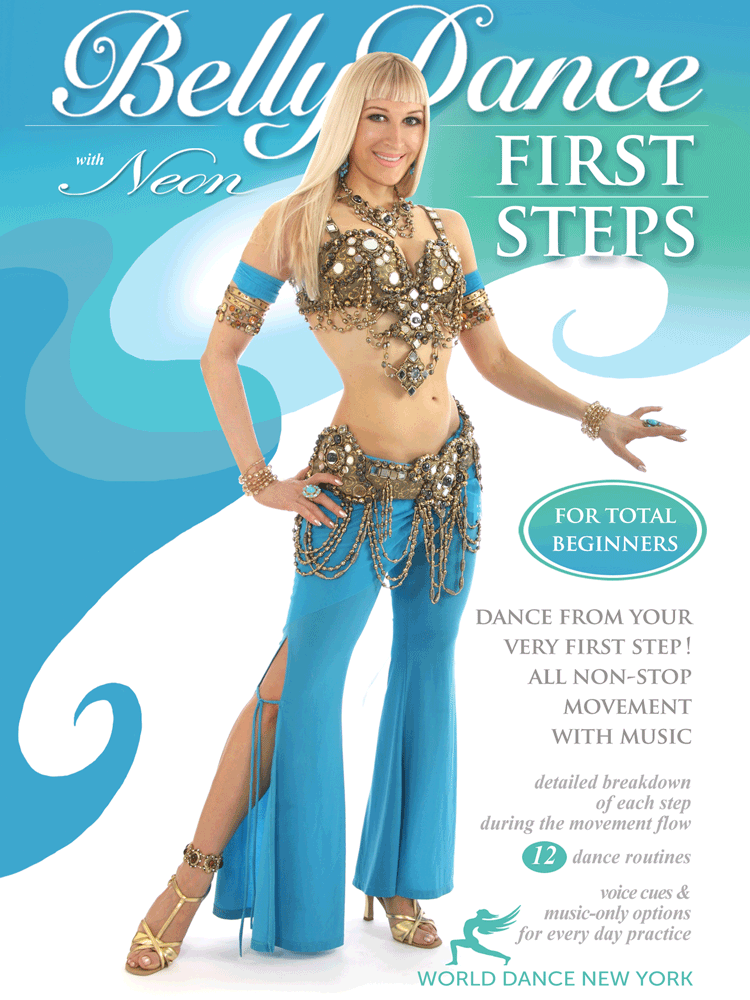 Unit price perRegular price $16.99
 -
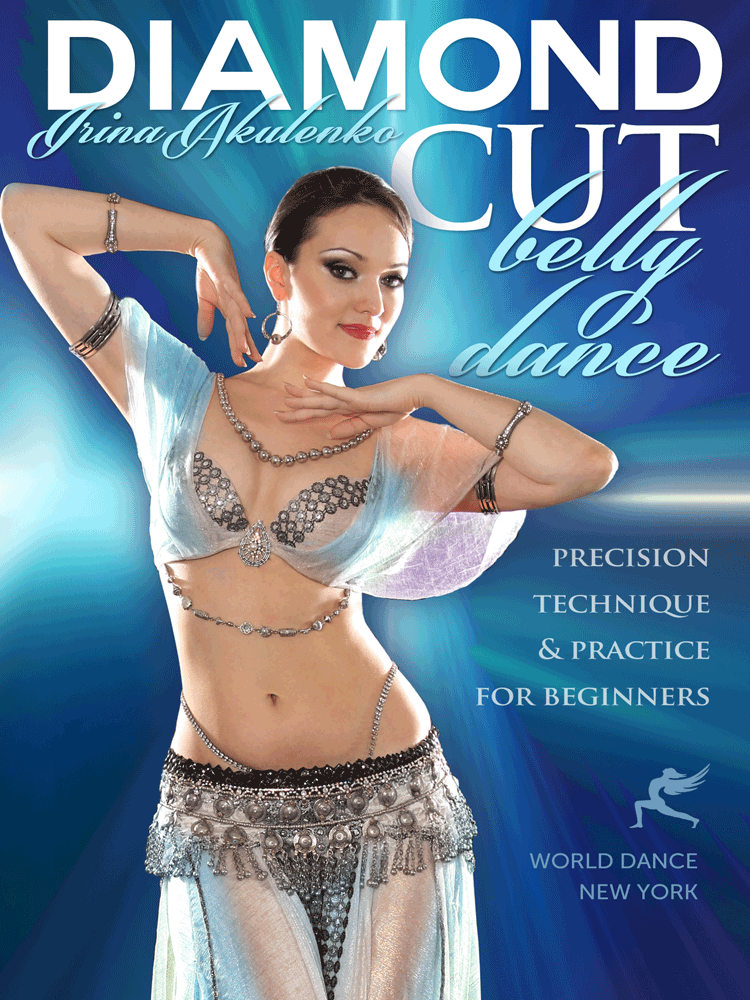 Unit price perRegular price $24.99
 -
 Unit price perRegular price $24.99
 -
 Unit price perRegular price $16.99
 -
 Unit price perRegular price $16.99
 -
 Unit price perRegular price $16.99
 -
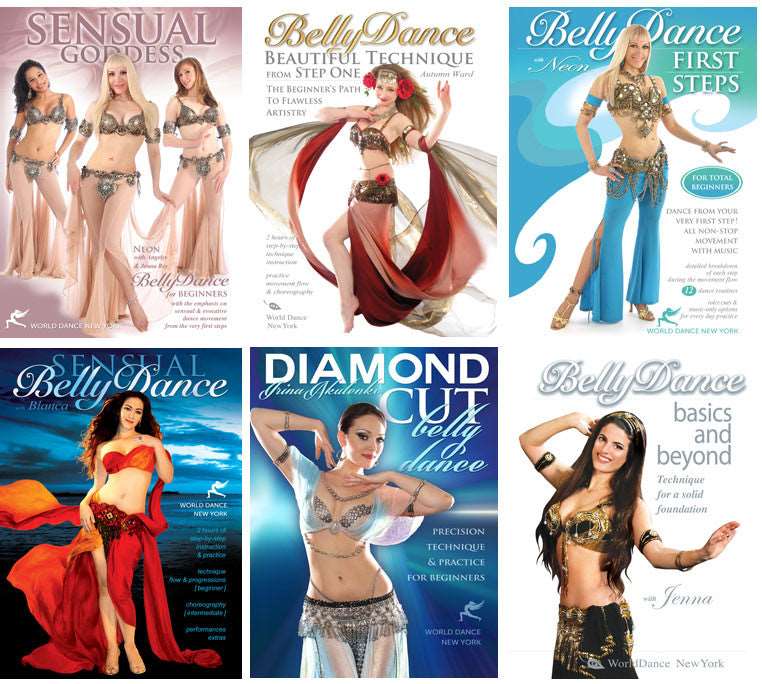 Unit price perRegular price $60.00
 -
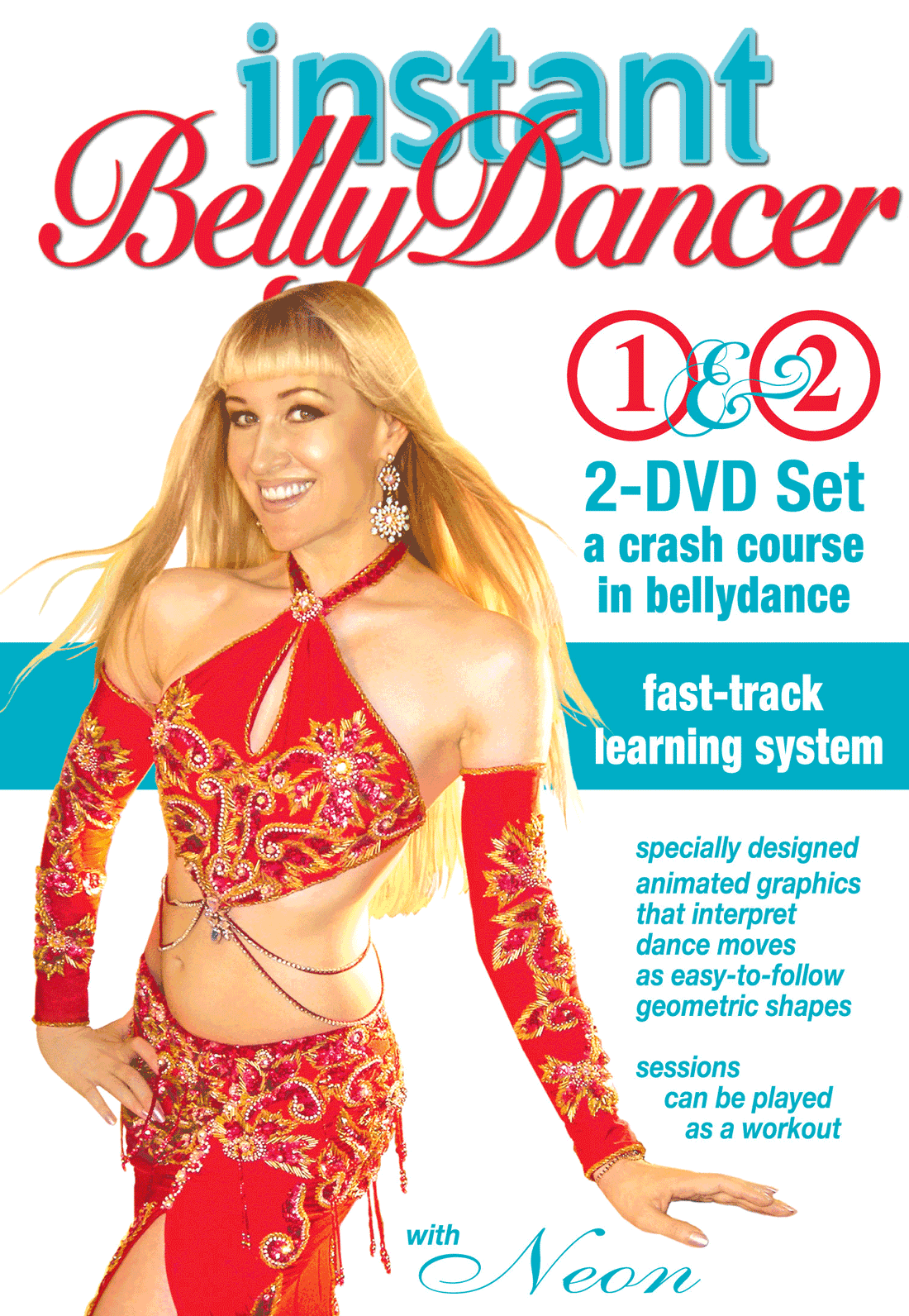 Unit price perRegular price $24.99
 -
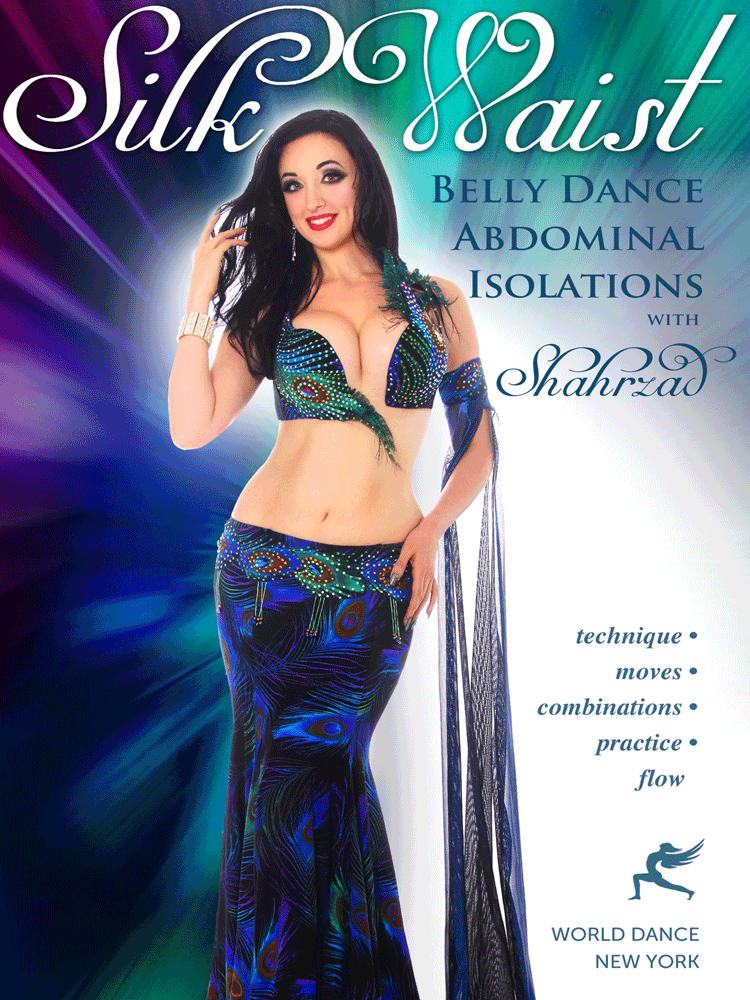 Unit price perRegular price $18.99
 -
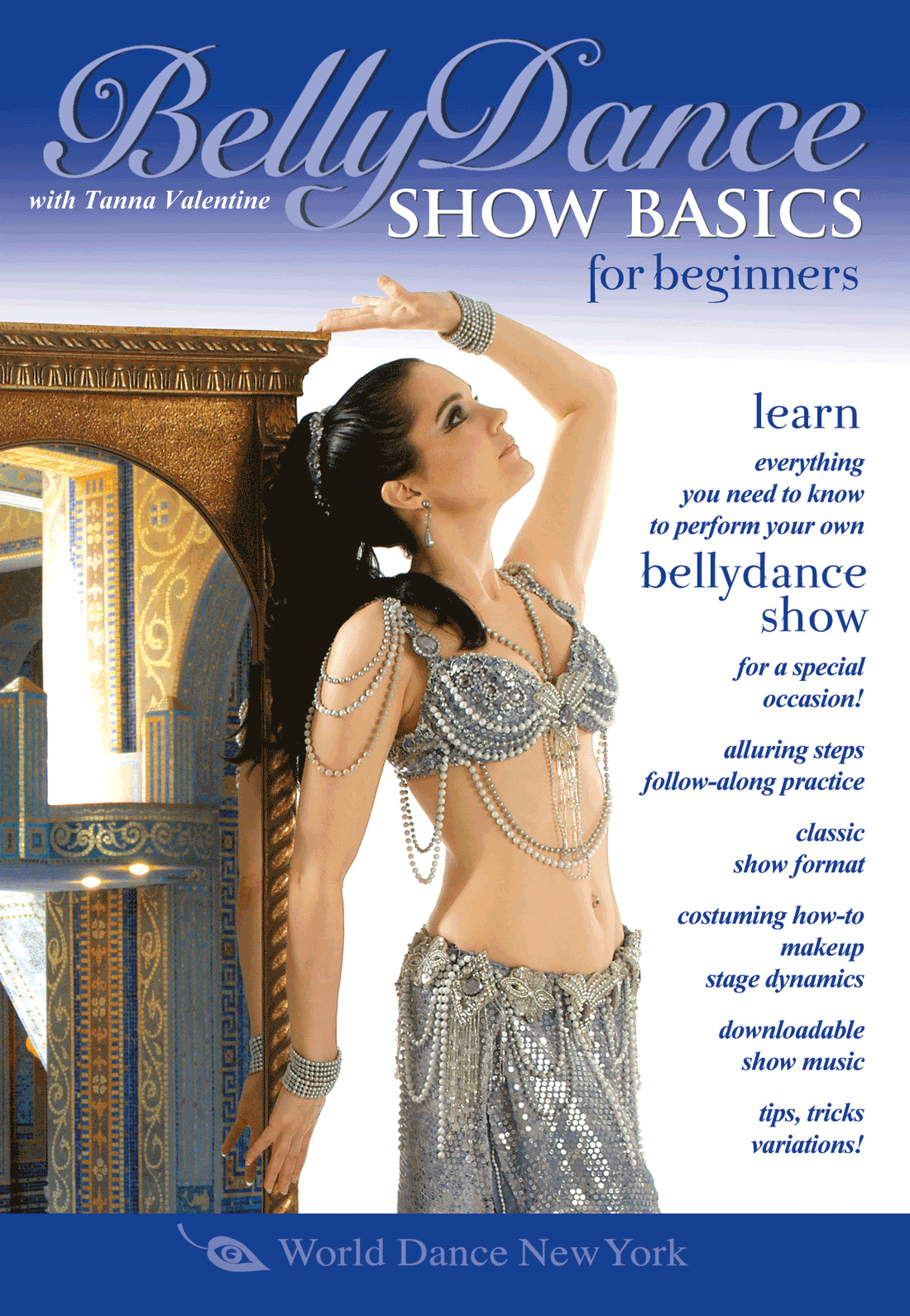 Unit price perRegular price $16.99
 -
 Unit price perRegular price $16.99
 -
 Unit price perRegular price $16.99
 -












-
Unit price perRegular price $16.99
-
Unit price perRegular price $24.99
-
Unit price perRegular price $24.99
-
Unit price perRegular price $16.99
-
Unit price perRegular price $16.99
-
Unit price perRegular price $16.99
-
Unit price perRegular price $60.00
-
Unit price perRegular price $24.99
-
Unit price perRegular price $18.99
-
Unit price perRegular price $16.99
-
Unit price perRegular price $16.99
-
Unit price perRegular price $16.99
-
Belly Dance for Beginners
View all
-
 Unit price perRegular price $16.99
 -
 Unit price perRegular price $16.99
 -
 Unit price perRegular price $16.99
 -
 Unit price perRegular price $16.99
 -
 Unit price perRegular price $16.99
 -
 Unit price perRegular price $18.00
 -
 Unit price perRegular price $16.99
 -
 Unit price perRegular price $60.00
 -
 Unit price perRegular price $16.99
 -
 Unit price perRegular price $16.99
 -
 Unit price perRegular price $16.99
 -
 Unit price perRegular price $16.99
 -
Belly Dance Workouts
View all












-
 Unit price perRegular price $18.99
 -
 Unit price perRegular price $16.99
 -
 Unit price perRegular price $16.99
 -
 Unit price perRegular price $16.99
 -
 Unit price perRegular price $29.99
 -
 Unit price perRegular price $16.99
 -
 Unit price perRegular price $35.99
 -
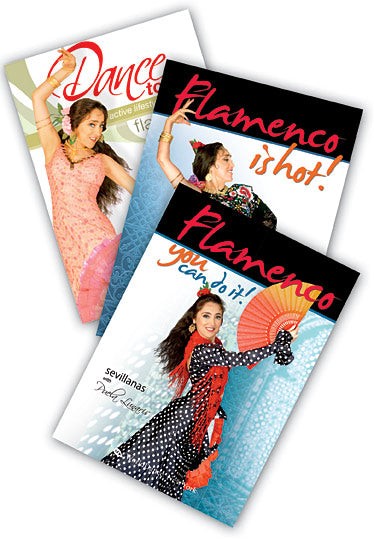 Unit price perRegular price $35.99
 -
Bollywood & Flamenco Dance
View all








What would you like to try today?
Bollywood dance? Hip-Hop? Brazilian samba?
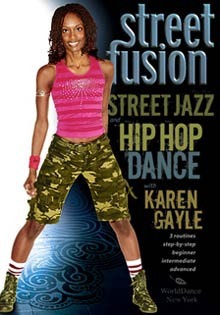
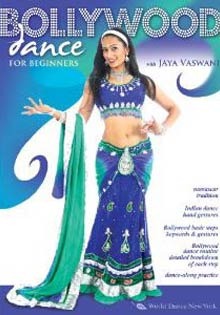
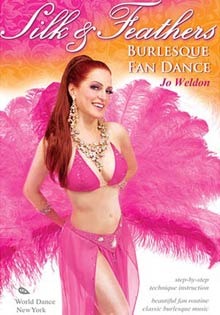
30% off Streaming Bunches! + Choreo Studio!
-
More!
Go-Go and Stiletto Dance
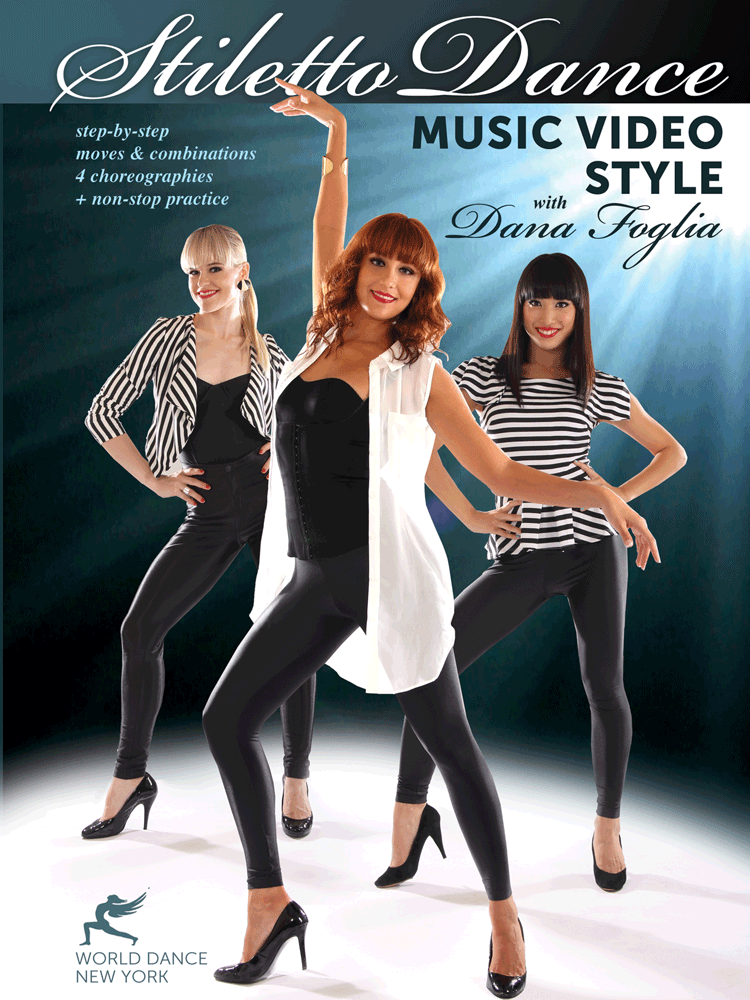
THRILLS ON HIGH HEELS!!! GO-GO & STILETTO DANCE Go-go dance was born in New York City in the 1960s, and it had a well-established vocabulary of dance moves that emerged as a fusion of many dance forms popular in that era - Latin, disco, hip-hop, belly dance, burlesque, and more. Stiletto dance is inspired by dance routines you see in pop and hip-hop music videos - those ultra-feminine, passionate, candid, uncompromising and vibrant dances created by choreographers whose names you don't recognize and whose moves you love and want to learn.explore